
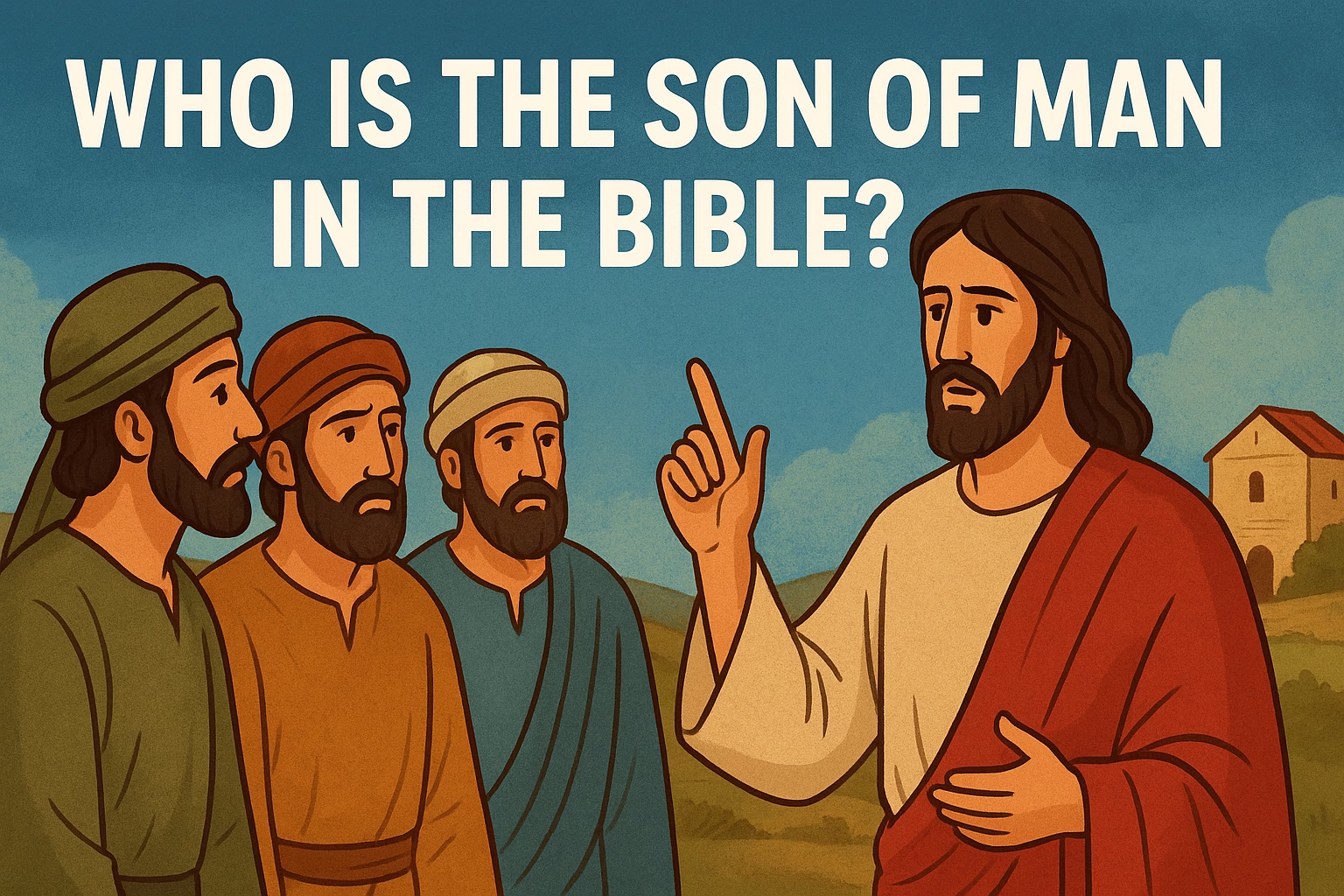
The phrase “Son of Man” holds significant meaning throughout the Bible, appearing in both the Old and New Testaments. Understanding its context and implications can deepen our appreciation for its use and the identity it conveys. This article will explore the various dimensions of who the Son of Man is, focusing on biblical passages and interpretations that clarify this important title.
In the Bible, the term “Son of Man” primarily refers to Jesus Christ, but it also has roots in the Hebrew Scriptures. The phrase is used to denote humanity in general, as well as to highlight Jesus’ unique role in salvation history. The dual usage of this title reveals both His divine authority and His identification with human experience.
The Old Testament Context
In the Old Testament, the phrase “son of man” appears frequently, often referring to humanity at large. For example, in the book of Ezekiel, God frequently addresses the prophet as “son of man” (Ezekiel 2:1, 3:1, and others). This usage emphasizes Ezekiel’s humanity and his role as a messenger of God to the people of Israel.
However, the most significant Old Testament reference to “Son of Man” comes from the prophetic vision in the book of Daniel. In Daniel 7:13-14, the prophet describes a vision of “one like a son of man” coming with the clouds of heaven. This figure approaches the Ancient of Days and is given authority, glory, and sovereign power. All nations and peoples will worship Him, and His dominion will be everlasting. This passage is often interpreted as a messianic prophecy pointing to Jesus, who fulfills this role in the New Testament.
The New Testament Usage
In the New Testament, Jesus refers to Himself as the “Son of Man” over 80 times. This title is significant because it embodies both His identity and mission. By using this phrase, Jesus connects to the prophetic vision in Daniel while also emphasizing His humanity.
Jesus’ Humanity
When Jesus calls Himself the “Son of Man,” He highlights His identification with humanity. In John 1:14, it is stated that “the Word became flesh and made His dwelling among us.” This underscores the belief that Jesus is fully human, experiencing the joys and sorrows of life just like everyone else. His use of the title reflects His mission to save humanity by becoming one of them.
Jesus’ Authority
While “Son of Man” emphasizes Jesus’ humanity, it also signifies His divine authority. In Mark 2:10, Jesus declares, “But I want you to know that the Son of Man has authority on earth to forgive sins.” Here, He asserts His power to forgive, a prerogative that, in Jewish thought, belongs only to God. This duality of His nature—fully human and fully divine—reveals the complexity of His role as the Messiah.
Messianic Implications
The title “Son of Man” carries messianic implications, particularly in the context of Jesus’ ministry. Throughout the Gospels, Jesus performs miracles, teaches with authority, and ultimately sacrifices Himself for the sins of humanity, fulfilling the messianic prophecies of the Old Testament.
Fulfillment of Prophecy
Jesus’ life and work resonate with the expectations set forth in the Old Testament. For instance, in Luke 19:10, He states, “For the Son of Man came to seek and to save the lost.” This mission aligns with the prophetic messages about the coming Messiah who would bring salvation and restoration to His people.
Second Coming
Additionally, the title “Son of Man” is associated with Jesus’ second coming. In Matthew 24:30, it is written, “Then will appear the sign of the Son of Man in heaven.” This reference indicates that Jesus, in His glorified state, will return to fulfill the final aspects of His redemptive plan. The imagery connects back to the vision in Daniel, where the Son of Man is given eternal authority and dominion.
Theological Significance
The title “Son of Man” invites deep theological reflection. It encapsulates the mystery of the Incarnation—God becoming human. This underscores the Christian belief that Jesus is both true God and true man, bridging the gap between humanity and divinity.
Implications for Believers
For believers, the understanding of Jesus as the Son of Man reassures us of His empathy and understanding of our struggles. As Hebrews 4:15 states, “For we do not have a high priest who is unable to empathize with our weaknesses.” This connection encourages believers to approach Him with confidence in times of need.
Call to Discipleship
Furthermore, the call to follow Jesus as the Son of Man challenges believers to live in a way that reflects His humility and service. In Mark 10:45, Jesus explains, “For even the Son of Man did not come to be served, but to serve, and to give His life as a ransom for many.” This serves as a model for Christian living, emphasizing the importance of selflessness and service to others.
The Son of Man in the Teachings of Jesus
Throughout His ministry, Jesus used the title “Son of Man” not only to identify Himself but also to convey profound truths about His mission and the nature of God’s kingdom. His teachings often revolved around themes of humility, service, and the establishment of God’s reign on earth.
Authority and Judgment
In addition to His role as a servant, Jesus also speaks of the “Son of Man” in the context of authority and judgment. In John 5:27, He states, “And He has given Him authority to judge because He is the Son of Man.” This highlights the duality of His identity: while He shares in human experience, He also possesses divine authority to judge the world. This aspect of His role emphasizes that Jesus is not only a compassionate figure but also a righteous judge who will hold humanity accountable.
Revelation of God’s Kingdom
Jesus’ use of “Son of Man” often highlights the arrival of God’s kingdom. In Luke 9:58, He remarks, “Foxes have dens and birds have nests, but the Son of Man has no place to lay His head.” This statement reflects His itinerant lifestyle and the radical nature of His mission. Jesus came to proclaim the kingdom of God, which often stood in opposition to worldly values and expectations. His life exemplified the characteristics of the kingdom—humility, sacrifice, and love.
Symbolism of the Son of Man
The title “Son of Man” also carries rich symbolic meaning that resonates through various biblical narratives. It serves as a bridge connecting humanity to the divine, illustrating how Jesus embodies both the frailty of human existence and the glory of God’s redemptive plan.
Human Experience and Suffering
By identifying as the “Son of Man,” Jesus fully embraced the human condition, including its suffering and challenges. In Matthew 8:20, He acknowledges the hardships of life, emphasizing that He understands the struggles of His followers. This connection allows believers to relate to Him on a personal level, knowing that He experienced pain, rejection, and loss just as they do.
Hope and Redemption
The title also symbolizes hope and redemption. In the New Testament, references to the “Son of Man” often coincide with promises of salvation and restoration. For instance, in Luke 21:27, Jesus speaks of the coming of the Son of Man in glory, ensuring His followers that there is a future hope beyond current struggles. This hope is central to the Christian faith, reinforcing the belief that Jesus, as the Son of Man, brings healing and wholeness to a broken world.
Interpretations Across Christian Traditions
The interpretation of the “Son of Man” varies among Christian traditions, each emphasizing different aspects of His identity. Understanding these perspectives can enrich one’s grasp of this title and its significance in the broader narrative of Scripture.
Christology Perspectives
In Christology, the study of the nature of Christ, the title “Son of Man” is often examined alongside the concepts of His dual nature—fully God and fully man. Some traditions place a stronger emphasis on His humanity, focusing on His role as a relatable figure who understands human suffering. Others highlight His divine authority and the fulfillment of messianic prophecies, emphasizing His sovereignty and role in the divine plan of salvation.
Liturgical Context
In liturgical traditions, the title “Son of Man” may be reflected in prayers, hymns, and sermons, underscoring the importance of Jesus’ humanity in the context of worship. This title serves as a reminder of the Incarnation—God becoming flesh—which is celebrated during liturgical seasons such as Advent and Christmas. The emphasis on Jesus as the Son of Man invites believers to reflect on the implications of His life and teachings in their spiritual journeys.
Key Questions for Reflection
As we consider the significance of the “Son of Man,” several questions can guide our reflection:
- How does understanding Jesus as the Son of Man influence your view of His ministry and authority?
- In what ways can you relate to Jesus’ humanity in your own experiences of suffering and joy?
- How does the title “Son of Man” shape your understanding of your own identity as a follower of Christ?
- What does it mean to you to live in light of the hope and redemption that Jesus, as the Son of Man, offers?
Conclusion: The Enduring Relevance of the Son of Man
The title “Son of Man” encapsulates the profound mystery of who Jesus is—both fully divine and fully human. This understanding invites believers to explore the depths of their faith, recognizing that Jesus embodies the perfect union of God and humanity. As we reflect on this title, we are reminded of His authority, compassion, and the hope He offers through His life, death, and resurrection. In a world filled with uncertainty and struggle, the identity of the Son of Man assures us that we are not alone; we have a Savior who understands our plight and calls us into a transformative relationship with Him.
To further explore the significance of Jesus’ identity and the implications for believers, check out these articles: understanding the significance of Jesus’ teachings and exploring the nature of the Incarnation.